From Sidelines to Whistle: How American Expat Parents Become Youth Coaches in Cyprus
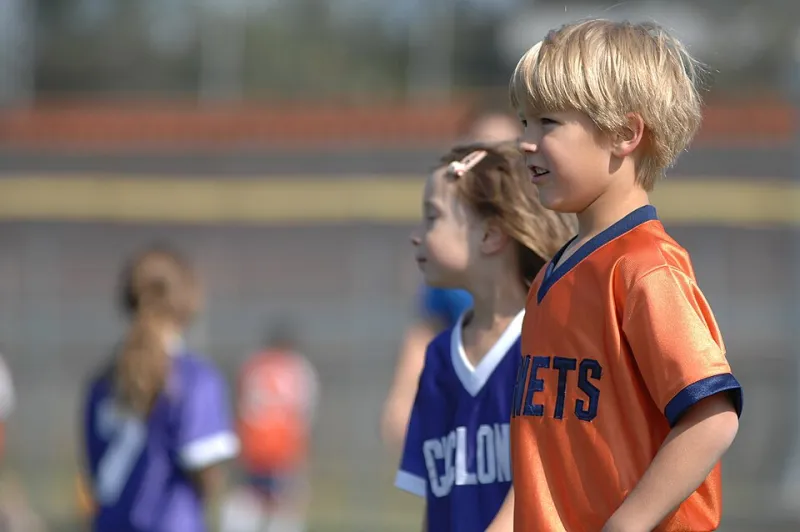
Photo: USAG- Humphreys, CC BY 2.0, via Wikimedia Commons
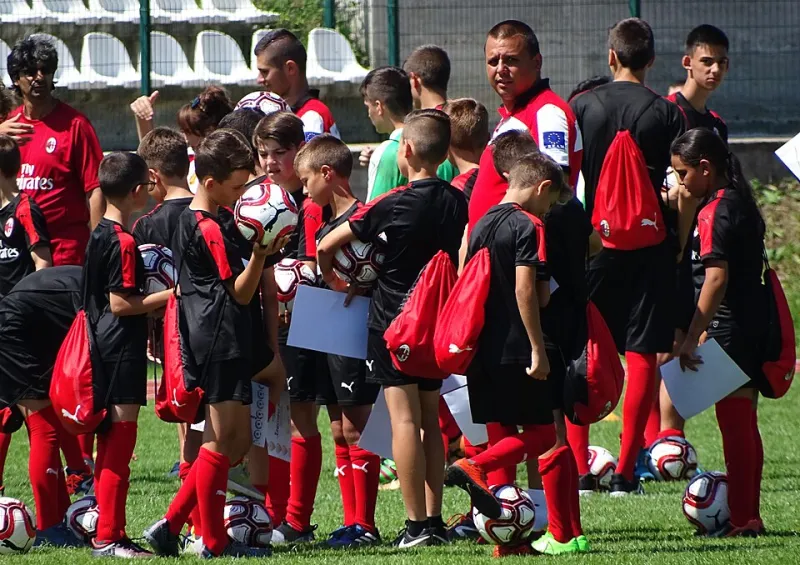
Six months after landing in Limassol, Mike Delaney found himself in an unfamiliar position: standing in front of twelve nine-year-olds, holding a bag of soccer balls, and realizing he had no idea how to say "hustle back on defense" in Greek.
"Back in Ohio, I'd coached my son's rec league for three years," he says. "Here, half the kids spoke Greek, a few spoke Russian, and my assistant coach spoke English with a South African accent. It was chaos — beautiful chaos, but chaos."
Mike's story is increasingly common. As American families put down roots in Cyprus — whether for work, remote jobs, or the military community near Akrotiri — many discover that youth sports clubs run on parent volunteers. And unlike the highly structured, background-checked pipeline back in the States, the path to coaching here is more informal. That's good news and bad news. Here's how to navigate it.
Why Clubs Want You (Even If You Don't Think You're Qualified)
Cypriot youth clubs, especially those in expat-heavy areas like Limassol, Nicosia, and Paphos, often operate with thin coaching benches. International schools and community leagues in particular are chronically short of volunteer coaches, and a parent who has run even a single rec league season back home looks like a veteran.
The ask usually comes sideways — a coach mentions at practice that they travel for work, or the club administrator sends a message asking if "any parent can help with the under-10s." If you've got basic knowledge of soccer, basketball, or volleyball (the island's big three for kids), you're already in the conversation.
The Paperwork: Lighter Than You'd Expect, But Not Zero
American parents often arrive expecting the youth-sports compliance maze they know from home — SafeSport training, concussion protocols, mandatory background checks through a national database. Cyprus works differently.
What you'll likely need:
- A basic ID and residency status check. Clubs want to know you're legally on the island, but there's no centralized national youth-coach registry for volunteers.
- A criminal record check (in some cases). Formal clubs affiliated with the Cyprus Sports Organisation or national federations may ask volunteers for a clean criminal record certificate. It's a straightforward request through your local citizen service center.
- First aid basics (increasingly common). Some clubs will nudge volunteers toward a short first aid course, especially for contact sports.
The informal community leagues — the ones playing Saturday mornings at municipal fields — often require nothing more than showing up consistently. Still, ask the club directly what their policy is. Being the parent who asks about safeguarding isn't awkward; it signals you take it seriously.
Certifications: Which Ones Actually Matter Here
Here's a surprise for many Americans: your coaching licenses from US Youth Soccer or the AAU won't automatically carry weight with Cypriot federation clubs, but they won't hurt either. For volunteer and community-level coaching, formal certifications matter far less than they do in the US pay-to-play ecosystem.
If you want to level up, the Cyprus Football Association (CFA) runs coaching education pathways, and entry-level grassroots courses are open to parents willing to commit a few weekends. For basketball, the Cyprus Basketball Federation offers similar entry points. These courses are typically conducted in Greek, so bring a Greek-speaking friend or lean on translation apps — a common move among expat coaches.
For most parent-volunteer roles, though, nobody's checking your CV. They're checking whether you show up on time and whether the kids have fun.
Coaching Across Three Languages (and Counting)
The language barrier is the number one worry American coaches report — and the number one thing they say was overblown.
"Soccer is its own language," says Sarah Whitfield, an American mom in Paphos who now coaches a mixed group of Cypriot, British, and Filipino kids. "Demonstrate it, and they get it. I probably say twenty English words per practice, and half of them are 'great job.'"
Practical tips that work on the ground:
- Learn the core vocabulary. Words like pame (let's go), ela (come on), prosexe (pay attention), and kalo (good) will cover 80% of practice management.
- Recruit a bilingual kid as your lieutenant. Every roster has one ten-year-old who's thrilled to translate. Give them the job and they'll own it.
- Coach by demonstration, not lecture. American coaching culture leans verbal. Mediterranean coaching — and kids everywhere — respond to show-then-do.
- Embrace the chaos of mixed language drills. Kids figure each other out faster than adults do.
Cultural Nuances: Coaching Local Kids vs. American Expectations
A few things catch American coaches off guard:
Family involvement runs deep. Cypriot parents are present, vocal, and deeply invested — expect grandparents at practices. The line between club and family is thinner than in the US.
Structure is looser. Punctuality is a suggestion in some quarters, and practice plans bend to reality. Build flexibility into your sessions rather than fighting it.
Competition is fierce but friendly. Local clubs take winning seriously even at young ages, but the post-match ritual — everyone, both teams, gathering for food and conversation — softens the edges. Americans used to strict sideline etiquette may need to loosen up.
The coffee is non-negotiable. Accepting a post-practice coffee with the other coaches and parents isn't small talk. It's how you become part of the club.
Your First Season: A Realistic Playbook
- Start as an assistant. Shadow a local coach for a season. You'll absorb the culture and the language without the full weight of the whistle.
- Register your interest early. Clubs sort rosters in late August and early September. Volunteer before the season starts, not midstream.
- Ask about safeguarding expectations directly. It builds trust with local administrators.
- Keep sessions simple. Small-sided games, lots of touches, minimal standing around. That translates across every language.
- Find the expat coaching network. Facebook groups for each city's expat community are full of parents who've made the same leap and will share drills, contacts, and Greek phrases.
The Payoff
Mike Delaney is now in his third season. His team communicates in a pidgin of Greek, English, and hand signals they invented themselves. "Back home, coaching was something on the calendar," he says. "Here it's how we became part of the town. My kid has friends whose parents I now see at every village festival."
That's the real story of coaching in Cyprus: the paperwork is lighter, the language barrier is bridgeable, and the return — community, belonging, a place on the island that's yours — is bigger than anything you'd find on a roster sheet.
Ready to get off the sidelines? Browse our Youth Sports listings to find clubs near you that are actively looking for volunteer coaches this season.