Sea Level to Summit: Building Your Marathon Training Block Around Cyprus Running Clubs
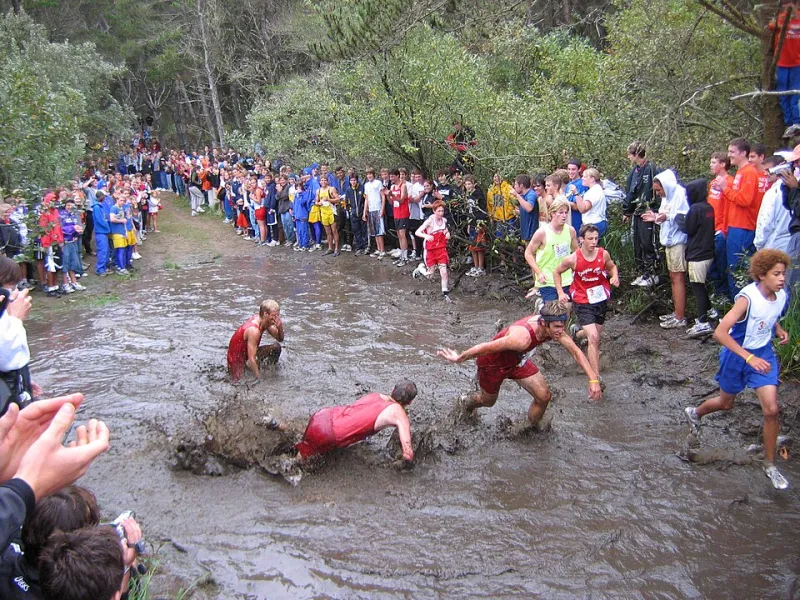
Photo: Liface at English Wikipedia, CC BY-SA 3.0, via Wikimedia Commons
If you've ever slogged through a February long run in Chicago or Atlanta, the idea of doing marathon training in shorts and sunglasses might sound like a fantasy. In Cyprus, it's just winter.
The island's running scene has quietly grown into one of the Mediterranean's best-kept secrets, and for American expats, digital nomads, and snowbird-adjacent runners, it offers something rare: a place where your entire training block — from base building to taper — can happen outdoors, in daylight, without a treadmill in sight.
Why Cyprus Works for a Training Block
Cyprus's coastal cities — Limassol, Larnaca, and Paphos — sit at sea level with winter temperatures that typically hover between 55 and 65°F from November through March. That's prime long-run weather. Rain happens, but it's usually short and dramatic rather than all-day drizzle.
The real magic, though, is the variety. Within 90 minutes of the coast, the Troodos Mountains rise above 6,000 feet, giving you legitimate altitude and hill-work options. Very few training locations let you do a flat tempo run on a seaside promenade Saturday and a trail session among pine trees Sunday.
Finding Your Group Run
Most running clubs in Cyprus are informal, welcoming, and surprisingly international — expect Brits, Russians, Filipinos, and a growing American contingent. A few reliable entry points:
- Limassol Running Club and similar coastal groups typically organize two to three weekly runs, including a social 5K and a longer weekend session along the Molos promenade or the Limassol marina boardwalk.
- Nicosia-based clubs take advantage of the city's flat center and the pedestrianized streets around the old town.
- Troodos trail groups run less frequently but organize weekend mountain outings, especially in spring and fall when the weather is ideal.
Registration is usually low-friction: many clubs coordinate through Facebook groups or WhatsApp rather than formal websites, and drop-in attendance is the norm. If a club does charge dues, they're typically modest — often €30 to €60 per year — and cover post-run coffee runs and race-day logistics more than anything else. Our registration portal lists clubs that accept online sign-ups, which is handy if you want to connect before you even land.
Don't be shy about language, either. English is widely spoken, and running vocabulary tends to translate itself. A smile and a "which pace group are you?" will get you sorted in seconds.
The Race Calendar: When to Toe the Line
Cyprus's race season inverts the American schedule. While US runners are peaking for fall marathons, Cypriot events cluster in the cooler months:
- Winter (December–February): Half marathons and 10Ks along the coast, including popular Limassol events that draw international fields.
- Early spring (March–April): The island's biggest races, including the Limassol Marathon weekend, typically fall in this window — making it a natural target race for a winter training block.
- Late fall (October–November): Trail races in the Troodos and foothill events in wine-country villages like those around Omodos.
Summer racing essentially shuts down on the coast, though some mountain towns host early-morning fun runs. If you're planning around a race, aim for a March or April marathon and start your block in November or December.
Registration for Cypriot races usually runs through local platforms, and fees are gentler than US equivalents — expect €25 to €50 for a marathon, often with race-day pickup available. Bring your passport to packet pickup, as is standard across Europe.
Acclimating: Heat, Humidity, and Hydration
If you're visiting from the US in shoulder season, the coastal humidity can sneak up on you even when temperatures seem mild. A few adjustments:
- Shift runs early or late. Even in spring, midday sun on the coast is no joke. Locals run at 6:30 a.m. or after 5 p.m. for a reason.
- Recalculate your sweat rate. Humid 65°F can feel harder than dry 80°F. Drink more than you think you need on long runs, and scope out water fountains along the promenades — Limassol's coastal path has them.
- Respect the sun. The Mediterranean sun is stronger than most American transplants expect. Hat, sunscreen, sunglasses — even on cloudy days.
- Give it two weeks. If you're staying for a full training block, expect the first 10 to 14 days to feel off before your body adjusts. Plan your hardest workouts after that window.
Making the Move
Whether you're an expat putting down roots or a runner planning a month-long training trip, Cyprus makes it easy to go from curious to committed. Check the club listings on our site, message a group about their next run, and line up a spring race to anchor your block.
Six months from now, you could be crossing a finish line with the Mediterranean at your back — and a whole new running crew cheering you in. Not a bad trade for another winter on the treadmill.