The Cyprus Gear Question: What to Pack, What to Buy, and What to Leave in the Garage
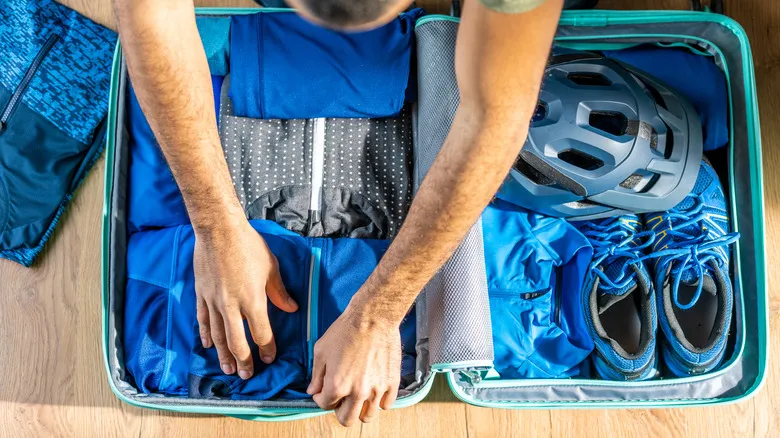
Photo: athlete packing sports equipment suitcase airport, via www.explore.com
Every American athlete planning a Cyprus trip eventually hits the same wall, usually at 11 p.m. while staring at an open suitcase: do I really need to bring all of this?
The short answer is no. The longer answer depends on your sport, how long you're staying, and how much pain you're willing to endure dragging a bike box through Larnaca arrivals. Here's the honest breakdown.
The Golden Rule: Consumables Travel, Big Iron Stays
Cyprus has plenty of sporting goods stores — Decathlon in Nicosia and Limassol covers a shocking percentage of needs, and local shops in every major city stock soccer cleats, running shoes, racquets, and swim gear. Prices are roughly comparable to mid-range US retailers, sometimes a bit higher on premium brands.
So the packing math looks like this:
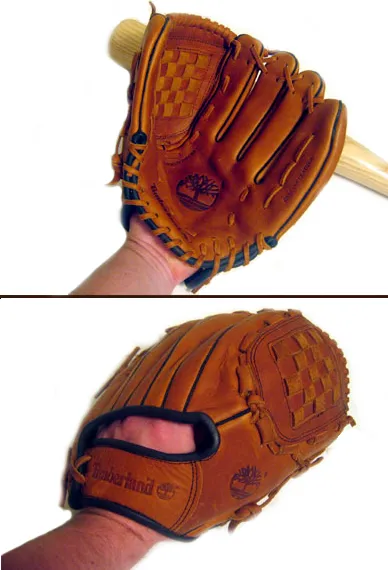
- Bring it if it's broken in, custom-fitted, or weirdly specific (your orthotics, your lucky bat, your prescription swim goggles).
- Buy or rent it there if it's bulky, cheap to replace, or easy to borrow from a club.
- Leave it if it's your whole gym in a bag. Cypriot clubs are used to hosting visitors and will often loan equipment for a trial session.
Sport-by-Sport: What Actually Matters
Soccer/football: Bring your own cleats and shin guards, full stop. Broken-in boots matter, and US sizes run slightly different from EU sizing, so guessing at a shop is risky. Everything else — balls, pinnies, keeper gloves — clubs provide.
Running: This is the lightest sport to travel for. One pair of shoes (maybe two if you're logging big mileage), your watch, and done. Gels and nutrition? Bring a small stash of your preferred brands; Cypriot pharmacies and bike shops carry the usual European lines (SIS, PowerBar) but not always US favorites like GU.
Cycling: Here's the one real dilemma. Cyprus has serious road riding — the Troodos climbs are legit — but bike rental quality varies. Road bike rentals exist in Limassol, Paphos, and Larnaca (expect €25–45/day for decent carbon), but serious riders doing a training block often ship or fly with their own bike. If you fly American, United, Delta, or American Airlines, most count a boxed bike as a standard checked bag these days (roughly $0–$150 each way depending on the carrier) — a huge improvement over the old oversize fees. Bring your own pedals, saddle, and fit-adjusted cockpit; rent the frame if you're staying under two weeks.
Tennis and padel: Racquets are personal — bring yours. Balls and grips are cheap to buy on the island. Padel is exploding in Cyprus right now, and most venues rent racquets, so first-timers can travel empty-handed.
Swimming (open water): Goggles, two suits, and a tow float if you use one. The sea does the rest. Wetsuits are unnecessary from roughly May through October.
Volleyball and basketball: Indoor or beach, clubs supply balls and nets. Bring court shoes only if you're picky about yours — and you probably are, so fine, bring them.
The Airline Reality Check
A few things American travelers consistently get wrong:
-
US carriers are more generous with sports gear than you think. Checked bike boxes, golf bags, and ski-style oversize items often fly as regular checked luggage on Delta, United, and American — but only if you register the item and stay under weight limits. Read your specific fare class; basic economy sometimes excludes free sports equipment allowances.
-
European connections have different rules. If you connect through London, Frankfurt, or Athens on a partner airline, that carrier's policy governs that leg. Budget carriers like Ryanair and easyJet will absolutely charge you €50–75 for a bike box or extra sports bag.
-
Pack the box yourself. Bike shops in Cyprus will box a bike for your return (~€30–40), but bringing a proper travel case or cardboard box outbound saves you the scramble.
Customs and the Little Quirks
Good news: Cyprus is in the EU, but American tourists bringing personal sports equipment face essentially zero hassle. Nobody's inspecting your cleats. A few practical notes:
- Keep serial numbers for expensive gear (bikes, GPS units) and photograph everything before you fly — useful for airline claims, not customs.
- Drones for filming training sessions require registration with EU authorities if over the light category; leave the DJI home unless you've done the paperwork.
- Sunscreen, hats, and electrolyte tabs are all readily available and often cheaper on the island — don't sacrifice suitcase space.
The Checklist, Compressed
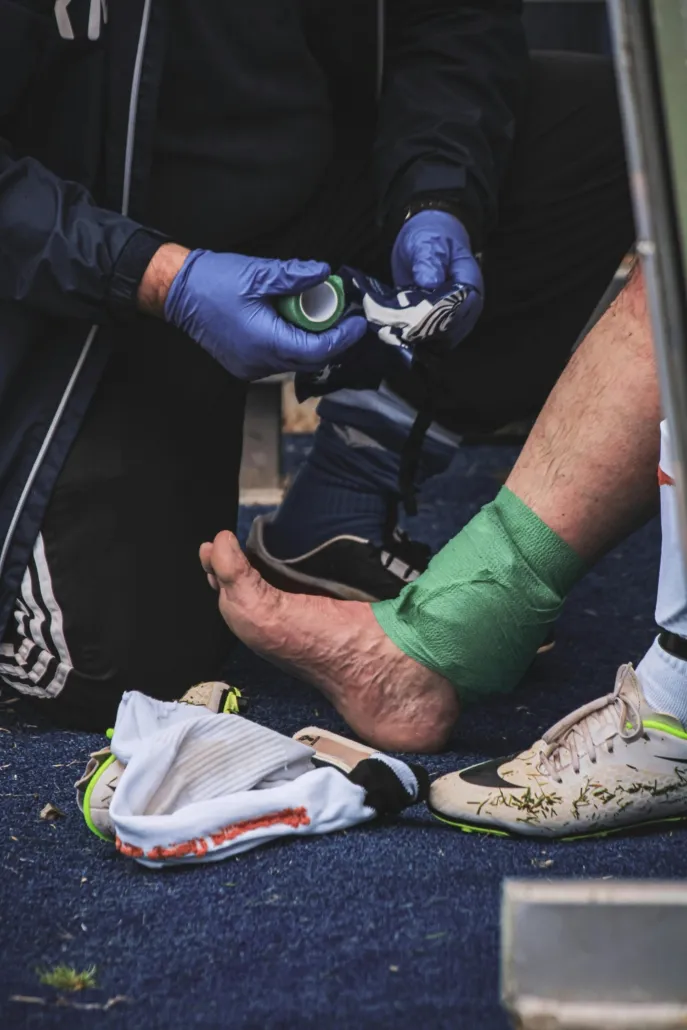
Every trip, every sport: broken-in shoes, two outfits' worth of technical clothing, sun protection, refillable bottle, any personal medical gear (braces, orthotics, tape you like).
One week or less: that's it above. Seriously. Rent or borrow the rest.
Two weeks to a training block: add a second shoe rotation, full nutrition supply, and consider flying the bike if you're a cyclist.
Moving or staying a season: bring the irreplaceable, buy the replaceable. Your first Decathlon run will be a highlight, not a chore.
The island has been hosting visiting athletes for decades — clubs loan equipment, shops stock the essentials, and the Mediterranean sun supplies the rest. Pack light, play heavy.