Choppy Water, No Whistle: How Americans Find Their Swim Lanes in the Mediterranean
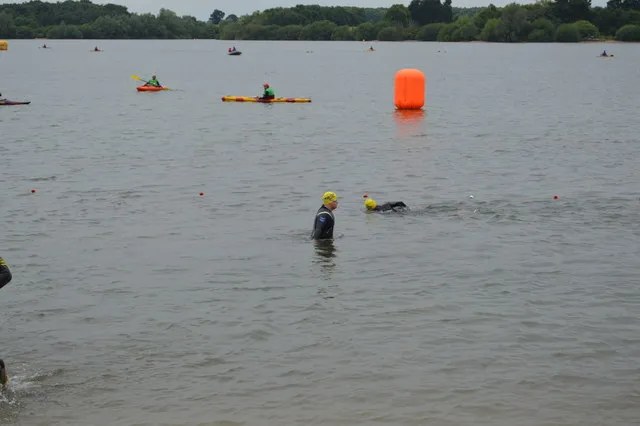
Photo: N Chadwick , CC BY-SA 2.0, via Wikimedia Commons
If you grew up swimming in a chlorinated YMCA pool with a coach on the deck and a pace clock blinking at you, the idea of doing your workouts in the Mediterranean might sound equal parts dreamy and terrifying. Good news: Cyprus is arguably one of the easiest places in Europe to become an open-water swimmer. The water stays swimmable from roughly April through November (and honestly, plenty of locals never stop), the beaches are clean, and there's a loose but real network of swim groups that will adopt you faster than you can say "sighting drills."
Here's the practical rundown — no club membership, no paperwork, no registration desk required. Though, hey, that's what we're here for when you do want the organized stuff.
Start With the Water: When and Where It's Actually Calm
Cyprus sits in the eastern Mediterranean, which means the sea warms up early and stays warm late. By mid-May, you're looking at water in the low 70s Fahrenheit — that's Maine-in-July territory for anyone from New England. By August, it can push past 80°F, which feels more like bathwater than training conditions.
The trick is picking your beach based on wind direction. The island gets its fair share of afternoon breezes, and the south and east coasts tend to stay calmer:
- Governor's Beach (near Limassol): Rocky coves, clear water, and enough shelter that morning swims stay glassy even when it's breezy elsewhere.
- Dasoudi Beach (Limassol): The expat favorite. Sandy entry, a long stretch for straight-line swimming, and enough regulars that you'll never feel like the only weirdo in a wetsuit.
- Coral Bay (Paphos): Gently shelving sand, family-friendly, and calm most mornings. Great if you're easing into open water after a lifetime of pool lanes.
- Fig Tree Bay (Protaras): The east coast's postcard beach. Flat mornings, and the shallow bay means you can practice without ever being out of your depth.
- Lady's Mile (Limassol side): Less pretty, way more functional. Long, shallow, and popular with triathletes doing brick sessions.
The golden rule: swim early. Mornings between 6 and 9 a.m. are when the water is flattest, the parking is free, and the dedicated swim crowd is out. By noon, wind and jet skis change the equation entirely.
The Unwritten Rules of Swimming in Cyprus
Nobody's going to hand you a rulebook, so here's the local etiquette as practiced by the regulars:
Swim parallel to shore. Cypriot beaches have seasonal buoys marking swim zones, and boats generally respect them. Stay inside the line and you'll never have a conversation with a Jet Ski.
Use a swim buoy. That bright orange inflatable sac — called a "banana" by some, a "safety buoy" by others — is increasingly standard among the expat swim crowd. It costs about €15, makes you visible to boats, and doubles as dry storage for your keys. Locals won't judge you for having one; they'll judge you for not.
Go with the season, not against it. November through March swims happen, but the regulars switch to shorter sessions and neoprene caps. If you're visiting in winter and want to swim, tag along with a group rather than going solo — the sea doesn't care how fit you are when the chop kicks up.
Learn the Cypriot nod. Swimmers here acknowledge each other. A quick nod at the car park, a wave at the turnaround buoy. It's low-key, but it's how you get invited to the group swims.
Plugging Into the Swim Scene (Without a Membership Card)
Here's the best part for Americans used to masters swimming's USMS structure, dues, and sanctioned meets: Cyprus's open-water community is gloriously informal. Most groups operate through Facebook groups and WhatsApp chats. You show up, someone points at the water, and you swim.
A few ways in:
- Limassol's morning crew at Dasoudi — a rotating cast of retirees, triathletes, and remote workers who gather most weekday mornings. Ask around at the beach café; someone will point you to the chat.
- Paphos open-water swimmers — a mix of British and American expats who organize longer coastal swims, especially in summer.
- Triathlon clubs in Limassol and Nicosia — even if you're not racing, their swim sessions are the fastest route to structured open-water training. Most welcome drop-ins for a small fee (€5–10), and unlike a full club membership, there's no commitment.
- Organized events — Cyprus hosts several open-water races each summer, from 1K citizen swims to longer coastal challenges. Entering one is the single best way to meet the community, and registration is usually a simple online form.
If you're the type who wants everything in one place — dates, sign-ups, contact info — that's literally our whole reason for existing. Bookmark us before your first morning swim.
Safety Basics, Because the Mediterranean Isn't a Pool
A few things American swimmers consistently underestimate:
There's rarely a lifeguard at 7 a.m. The lifeguard towers on major beaches staff up later in the day. Your safety net is your buoy, your buddy, and your judgment.
Currents exist, even in bays. The south coast is generally tame, but wind-driven currents can push you along the shore faster than you'd think. Pick a fixed landmark — a rock, a church dome, a beach umbrella — and sight off it every 10 to 15 strokes.
The sun is different here. Even at 7 a.m., the UV index can be high, especially May through September. Zinc-based sunscreen or a rash guard isn't optional; it's basic math.
Jellyfish happen. Occasional sightings of harmless (mostly) moon jellies in late summer. Annoying, not dangerous. The regulars will tell you which coves to skip that week.
From Tourist to Regular in One Season
The pattern we see over and over: American lands in Cyprus, swims once at a postcard beach, feels self-conscious, and then shows up at the same time the next morning — and the morning after that. Within a month, they've got a WhatsApp group, a favorite cove, and strong opinions about which café does the best post-swim freddo cappuccino.
Open-water swimming here isn't a sport you register for so much as a habit you adopt. But when you're ready for the structured side of things — races, triathlon clubs, masters sessions, or youth programs for the kids — that's when the registration portal earns its keep.
Until then: swim early, bring the buoy, and nod at the regulars. The sea's been here a lot longer than any of us.